Every week, someone asks me this question. And almost every time, my answer is the same: both. But I understand that’s not always possible — time and budget are real constraints. So let me actually answer it properly.
The Serengeti and Ngorongoro Crater are Tanzania’s two most famous safari destinations. They’re only about 3-4 hours apart by road. In many ways, they’re completely opposite experiences. Understanding the difference will tell you a lot about which one matches what you’re looking for.
The Serengeti: Scale, Freedom, and Wild Encounters
The Serengeti is enormous. At 14,750 square kilometres, it’s roughly the size of Connecticut. You can drive for an hour and not see another vehicle. The landscape changes as you move across it — from the short grass plains of the south where the calving happens, to the river crossings in the north, to the sweeping kopjes (rock formations) in the centre where lions lounge in the afternoon heat.
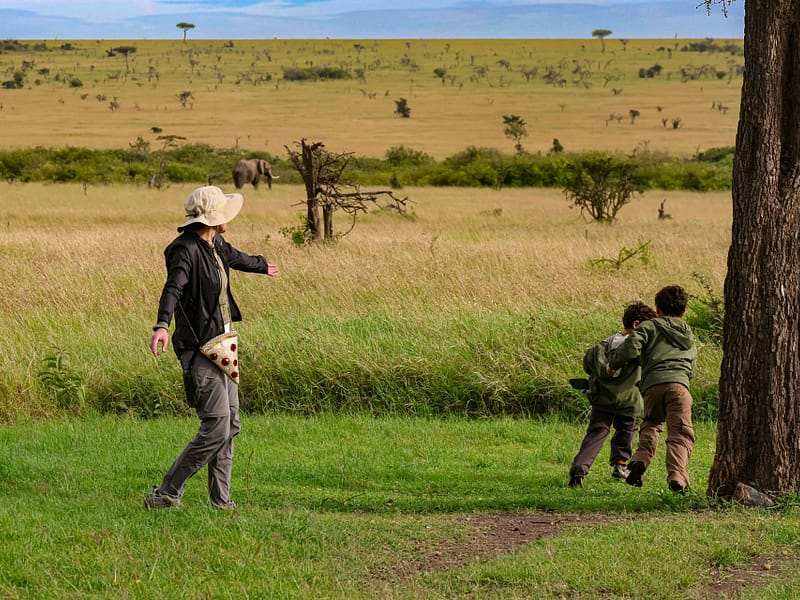
The Serengeti feels wild and open. Your guide might stop the vehicle in the middle of a plain, cut the engine, and you just sit there in total silence listening to the grass move. Wildebeest pass twenty metres away without caring that you exist. A cheetah walks past the front of the vehicle on her way to hunt. This is the kind of experience that stays with you for the rest of your life.
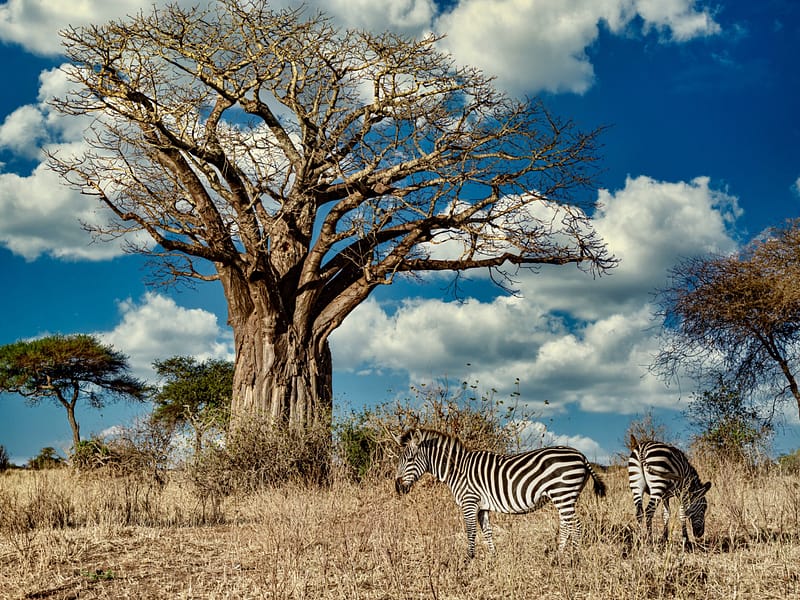
The Serengeti is the home of the Great Migration — the movement of around 1.5 million wildebeest, 400,000 zebras, and hundreds of thousands of gazelles across the ecosystem between Tanzania and Kenya. The timing varies, but the experience of seeing this many animals in one place is genuinely unlike anything else. Even outside of Migration season, the resident wildlife — lions, leopards, cheetahs, elephants, giraffes — makes for exceptional game viewing.
Who should prioritise the Serengeti? Anyone who wants maximum wildlife, the Great Migration, a sense of wild open space, and more than one full day of safari. You need at least 2-3 nights to do the Serengeti justice.
Ngorongoro Crater: Concentration, Drama, and Guaranteed Big Five
The Ngorongoro Crater is completely different. It’s a collapsed volcanic caldera — a bowl about 20 kilometres across, with walls 600 metres high on all sides. Animals go down but they rarely come back up. This means around 25,000 animals live permanently on the crater floor, in a space you can drive around in a single day.
Walking around the crater rim before your descent, you can see the whole thing laid out below you like a natural stadium. Then you drive down a steep, winding road into what feels like a different world. The vegetation changes. The air feels heavier. There’s a central marsh called Lerai Forest where hippos wallow. Flamingos line the alkaline lake in waves of pink. And somewhere in those flat grasslands, black rhinos graze — one of only about 30 remaining on the crater floor. On a good morning, you can see all five of the Big Five before lunch.
Ngorongoro is a wildlife guarantee. The Serengeti is a wildlife adventure. The difference matters depending on what you value.
One limitation: crater floor visits are day trips only. There are lodges on the rim with stunning views, but you can’t stay on the floor itself. You go down in the morning, you come back up in the afternoon. This means you need to move quickly and efficiently, which some people love and others find limiting.
Who should prioritise Ngorongoro? Anyone who wants a near-guaranteed Big Five day, first-timers who may not have time for multiple days in the Serengeti, rhino-chasers (Ngorongoro has your best odds in Tanzania), and anyone who finds the idea of the caldera setting uniquely compelling.
Head-to-Head Comparison
| Factor | Serengeti | Ngorongoro Crater |
|---|---|---|
| Size | 14,750 km² — enormous | 260 km² crater floor — compact |
| Best for | Great Migration, Big Cats, open-space experience | Big Five in one day, rhinos, dramatic scenery |
| Time needed | Minimum 2 nights. 3+ is better. | 1 full day works. 2 nights on rim is ideal. |
| Park fees | ~$71/person/24hrs | ~$71/person/24hrs plus conservation fee |
| Crowds | Low to medium (vast space absorbs vehicles) | Crater floor gets busy at popular spots Jul-Sep |
| Wildlife variety | Highest variety in Tanzania. All ecosystems. | High concentration but limited giraffe/impala |
| Rhinos | Rare — protected zone, hard to spot | ~30 on crater floor. Good sighting odds. |
| Unique experience | Hot air balloon sunrise. Overnight in the wild. | Descending into the caldera. The Lerai Forest. |
My Recommendation: Visit Both, But Sequence Them Right
If you’re doing a 7-10 day Tanzania safari, visit both. The standard Northern Circuit route goes: Tarangire (2 nights) → Lake Manyara (1 night) → Ngorongoro (1-2 nights) → Serengeti (3-4 nights). This builds beautifully — each park prepares you for the next, and saving the Serengeti for last means you end on the most spectacular note.
If you only have 4-5 days and have to choose one, choose the Serengeti. The sheer scale, the wildlife variety, and the freedom of being in that landscape for multiple days is harder to replicate elsewhere. Ngorongoro can be experienced well in a single full day. The Serengeti cannot.
One thing I’ll tell you honestly: some first-timers come back more moved by the Ngorongoro Crater than by the Serengeti. Something about the contained drama of the caldera — seeing the walls rising around you, knowing nothing is going anywhere — gets to people in a different way. So there is no wrong answer here. Both places are extraordinary.
Frequently Asked Questions
Can I visit both in one trip?
Yes — they’re 3-4 hours apart by road and almost every Northern Circuit itinerary includes both. A 7-day trip comfortably covers Tarangire, Ngorongoro, and multiple days in the Serengeti. See our 12-day package that covers all the highlights.
Which has better game viewing?
Depends on the season. During the Great Migration (July-October), the Serengeti is unmatched. Year-round, Ngorongoro has a higher density of large mammals per square kilometre. Both have exceptional lion populations. Read our seasonal guide.
Which is more expensive?
Similar park fees, but Serengeti lodges inside the park tend to be priced higher than Ngorongoro rim lodges. Crater floor access adds a small vehicle fee per descent. Full cost breakdown here.
Planning a Northern Circuit safari that covers both parks? Use our Trip Designer to tell us your dates and travel style, and we’ll put together a personalised itinerary for you — with honest advice on how many nights to spend in each place.